Sustainable Farming Index (SFI): A Data-Driven Framework for Measuring Agricultural Sustainability
Learn how the Sustainable Farming Index (SFI) measures farm sustainability using IoT, AI, satellite monitoring, and digital agriculture technologies. A modern framework for ESG-focused farming.
As agriculture moves toward a data-driven and climate-conscious future, the industry is facing a critical question: how can sustainability be measured in a transparent, standardized, and verifiable way?
Traditional agricultural metrics focus primarily on yield and productivity. However, modern agricultural systems must also account for environmental impact, resource efficiency, and long-term soil health.
The Sustainable Farming Index (SFI) is emerging as a structured framework designed to quantify sustainability across agricultural operations. By integrating technologies such as IoT sensors, satellite monitoring, artificial intelligence, and blockchain-based data systems, SFI aims to create a measurable benchmark for evaluating how farms perform across environmental, operational, and productivity indicators.
Rather than relying on subjective reporting, SFI introduces a data-backed scoring system that can help farmers, investors, policymakers, and supply chain stakeholders understand the real sustainability performance of agricultural assets.
Why Agriculture Needs a Sustainability Measurement Framework
Agriculture is responsible for nearly one quarter of global greenhouse gas emissions, while also consuming around 70 percent of the world’s freshwater resources. At the same time, food demand is projected to increase significantly by 2050 as global populations grow.
Balancing food security, environmental responsibility, and economic viability requires more sophisticated ways to measure agricultural performance.
Historically, sustainability claims in agriculture have often been difficult to verify due to fragmented data, manual reporting, and lack of standardized metrics. The Sustainable Farming Index addresses these challenges by introducing quantifiable indicators tied to real operational data.
This shift reflects a broader transformation in agriculture where digital infrastructure and environmental accountability are becoming essential components of farm management.
What is the Sustainable Farming Index (SFI)?
The Sustainable Farming Index (SFI) is a structured evaluation model that assesses farms based on measurable sustainability indicators.
Instead of focusing only on crop output, SFI evaluates farms across multiple dimensions including:
• water efficiency
• soil health and regeneration
• carbon management
• energy consumption
• agricultural productivity relative to resource use
The framework converts these metrics into a standardized sustainability score, often represented on a scale (for example 0–100), allowing stakeholders to compare agricultural performance across different regions, farming systems, and crop types.
This approach transforms sustainability from a qualitative concept into a measurable performance indicator.
How the Sustainable Farming Index Works
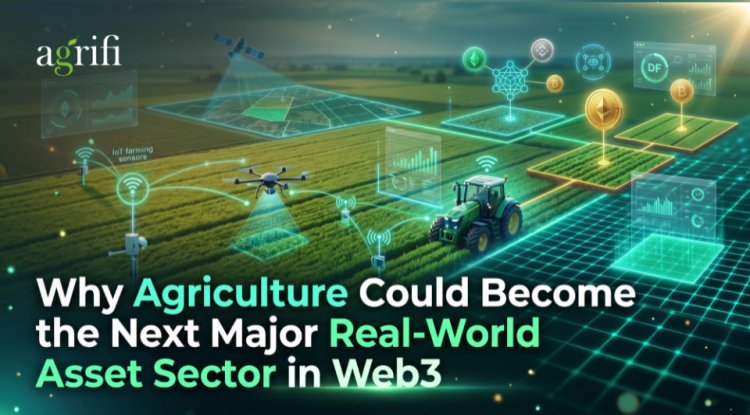
Modern SFI frameworks rely on integrated digital agriculture technologies that collect, verify, and analyze farm data.
1. Data Collection Through Smart Agriculture Technologies
Farm-level environmental and operational data is captured through technologies such as:
• soil sensors measuring moisture and nutrient levels
• satellite imagery and drone mapping for crop monitoring
• smart irrigation systems tracking water consumption
• equipment telemetry measuring fuel and energy usage
• climate and weather monitoring systems
These technologies create a continuous stream of real-time agricultural data.
2. Data Analysis Using Artificial Intelligence
Once collected, the raw data is processed using machine learning and predictive analytics models.
AI systems analyze patterns across datasets such as:
• soil composition
• irrigation cycles
• crop health indicators
• fertilizer inputs
• productivity levels
The system then generates a sustainability score based on predefined environmental benchmarks.
3. Data Verification and Transparency
One of the challenges of sustainability reporting is data credibility. Modern SFI frameworks increasingly use distributed data systems or secure digital ledgers to ensure records remain tamper-resistant and auditable.
These systems can allow stakeholders such as regulators, supply chains, or investors to verify sustainability metrics independently.
4. Sustainability Scoring
The processed data is converted into a composite sustainability score. The score reflects a farm’s performance across multiple categories and can be updated dynamically as new data becomes available.
This enables continuous monitoring rather than annual reporting.
Core Sustainability Metrics Used in SFI
Although frameworks may vary by region or implementation, most Sustainable Farming Index models evaluate farms across several core categories.
Water Management
Efficient water usage is essential for sustainable agriculture.
Typical metrics include:
• irrigation efficiency
• water consumption per hectare
• adoption of precision irrigation systems
• groundwater sustainability
Soil Health and Regeneration
Soil is the foundation of agricultural productivity. Sustainable soil management ensures long-term crop viability.
Key indicators include:
• soil organic carbon levels
• crop rotation practices
• reduced tillage adoption
• soil nutrient balance
Carbon and Climate Impact
Agriculture can both emit and absorb greenhouse gases. Measuring carbon performance is becoming a central component of sustainability assessments.
Indicators may include:
• carbon sequestration levels
• vegetation cover
• methane and nitrous oxide emissions
• residue management practices
Energy and Resource Efficiency
Energy consumption across farming operations also influences sustainability performance.
Typical measurements include:
• use of renewable energy systems
• energy consumption of irrigation systems
• machinery emissions
• efficiency of agricultural inputs
Productivity and Resource Optimization
A key objective of sustainable agriculture is producing more food using fewer resources.
Metrics may evaluate:
• yield per hectare
• fertilizer efficiency
• crop loss reduction
• input-to-output ratios
The Role of Digital Agriculture in Sustainability Measurement
The rise of precision agriculture technologies is enabling more accurate sustainability measurement than ever before.
Key technologies supporting SFI frameworks include:
• Internet of Things (IoT) sensors
• satellite and drone monitoring
• AI-driven agronomic models
• geospatial data platforms
• climate data analytics
• digital farm management systems
These technologies allow sustainability to be tracked continuously and objectively rather than through manual surveys or estimates.
Why the Sustainable Farming Index Matters
The introduction of measurable sustainability metrics has implications across the entire agricultural ecosystem.
For Farmers
SFI frameworks provide insights that help farmers:
• optimize resource usage
• reduce production costs
• improve soil resilience
• adopt regenerative farming practices
For Food Supply Chains
Retailers and food producers increasingly require traceable sustainability data to meet environmental commitments and consumer expectations.
SFI-based data systems can help supply chains verify agricultural sustainability claims.
For Investors and Financial Institutions
Agriculture is increasingly being viewed as a real-world asset (RWA) class within financial markets.
Sustainability scoring systems like SFI can provide structured environmental performance data that supports ESG-focused investment decisions.
For Governments and Policymakers
SFI frameworks may help governments track progress toward climate targets and agricultural sustainability policies.
They can also support carbon credit programs, regenerative agriculture initiatives, and environmental reporting systems.
The Future of Sustainable Agriculture Metrics
Agriculture is entering an era where data infrastructure will be as important as physical infrastructure.
As digital agriculture platforms evolve, sustainability frameworks like the Sustainable Farming Index may become central to how farms are evaluated, financed, and integrated into global food supply chains.
Future developments may include:
• AI-powered sustainability forecasting
• satellite-based environmental verification
• carbon markets linked to agriculture
• real-time farm sustainability dashboards
• automated sustainability compliance systems
These innovations could transform sustainability from a reporting obligation into a core operational metric of modern farming.
Frequently Asked Questions (FAQs)
What is the Sustainable Farming Index?
The Sustainable Farming Index (SFI) is a data-driven framework used to measure agricultural sustainability across environmental, operational, and productivity indicators.
How is SFI calculated?
SFI scores are generated by analyzing farm data such as soil health, water usage, crop productivity, carbon impact, and resource efficiency using digital agriculture technologies and analytical models.
Why is sustainability measurement important in agriculture?
Accurate sustainability metrics help farmers improve resource efficiency, support ESG investment decisions, and ensure transparency across global food supply chains.
What technologies support SFI frameworks?
SFI systems typically rely on technologies such as IoT sensors, satellite monitoring, drone imaging, artificial intelligence analytics, and digital farm management platforms.
Agriculture is undergoing a significant transformation as environmental accountability becomes central to global food production systems.
Frameworks like the Sustainable Farming Index represent an important step toward quantifying sustainability in a transparent and standardized way. By combining digital agriculture technologies with structured environmental metrics, the industry can move toward a future where sustainability is not just a goal but a measurable outcome.
As climate challenges intensify and food demand continues to grow, data-driven sustainability frameworks will play a critical role in shaping the next generation of agriculture.
What's Your Reaction?